 By Admin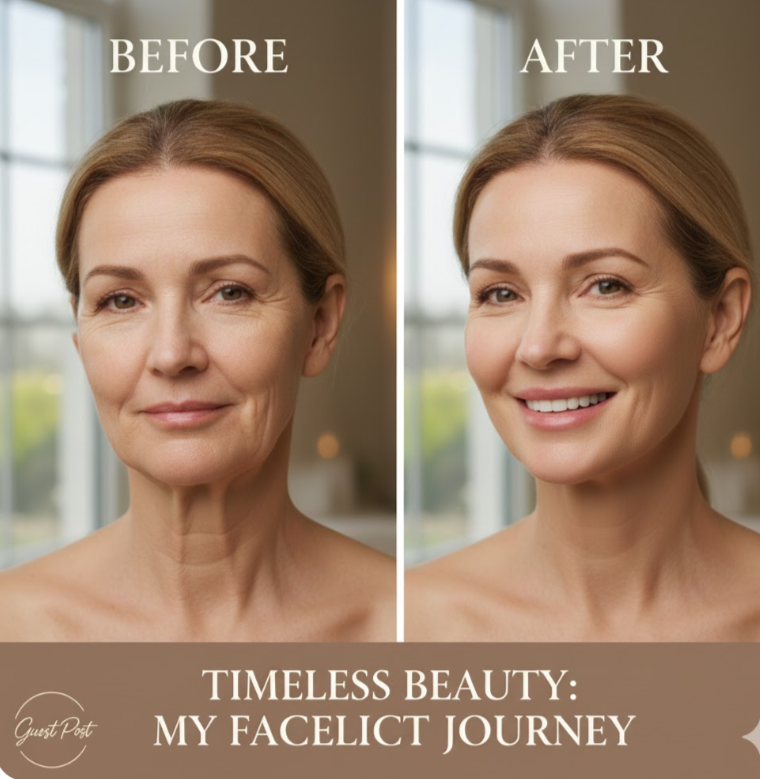
A facelift, also known as rhytidectomy, is one of the most sought-after cosmetic procedures aimed at reducing signs of aging by tightening the skin and muscles of the face. As the years go by, the natural process of aging, combined with environmental factors and genetics, can lead to sagging skin, deep wrinkles, and loss of youthful contour. A facelift procedure can reverse these signs and restore a more youthful appearance. But what exactly should you expect before and after the surgery? In this article, we will dive into the details of a facelift procedure, showing you what to expect in terms of results and recovery.
What is a Facelift?
A facelift is a cosmetic surgery that targets the face and neck area to reduce wrinkles, sagging skin, and loss of facial volume. The procedure typically involves lifting and tightening the underlying muscles and tissues while removing excess skin to create a smoother, firmer appearance. A facelift can address several concerns, including jowls, deep creases around the nose and mouth, and sagging skin along the jawline.
While a facelift focuses on improving the lower and mid-face area, it is often combined with other procedures like eyelid surgery (blepharoplasty) or brow lifts to achieve a more comprehensive rejuvenation. The goal of the surgery is to make the patient look naturally younger rather than “overdone” or artificial.
Facelift Before: Preparation and Considerations
Before undergoing a facelift, it’s crucial to understand what the preparation process involves. A consultation with a board-certified plastic surgeon is essential for assessing your specific needs and expectations. During this consultation, the surgeon will evaluate your facial structure, skin quality, and medical history to determine whether you are a good candidate for the procedure.
Here are some key things to expect before the surgery:
- Medical Evaluation: Your surgeon will conduct a physical exam and may ask about your medical history, any underlying conditions, or medications you are taking.
- Pre-Operative Instructions: You’ll receive detailed instructions on how to prepare for surgery. This might include stopping certain medications, like blood thinners, and avoiding alcohol and smoking in the weeks leading up to the procedure.
- Planning the Surgery: The surgeon will discuss your goals for the surgery, addressing any concerns you may have. They will also explain the techniques that will be used, such as traditional facelifts or more advanced methods like a mini-lift or a deep plane facelift.
In some cases, a facelift may be combined with liposuction or fat grafting for enhanced results. The surgeon will work with you to determine the best course of action for your individual needs.
The Facelift Procedure: What Happens During Surgery?
On the day of your facelift surgery, you’ll be given anesthesia to ensure that you are comfortable throughout the procedure. Depending on the complexity of the surgery, the surgeon may use either general anesthesia or local anesthesia with sedation. Once you are under anesthesia, the surgeon will begin making incisions, usually around the hairline, ears, or under the chin. These incisions are strategically placed to minimize visible scarring.
During the surgery, the surgeon will lift and tighten the underlying facial muscles and tissues before removing any excess skin. The skin is then re-draped over the newly tightened tissues, creating a smoother and more youthful appearance. The procedure typically takes between two to four hours, depending on the extent of the surgery.
Facelift After: Recovery and Results
After a facelift, it’s normal to experience some discomfort, swelling, and bruising around the face and neck. However, these symptoms should subside in the first few days to weeks following the procedure. The recovery process varies from patient to patient, but here’s what you can generally expect after a facelift:
- Immediate Aftercare: Post-surgery, you will be monitored closely in a recovery room. Your surgeon may apply bandages to support the face and minimize swelling. Drainage tubes might also be placed temporarily to remove excess fluids.
- Swelling and Bruising: Swelling and bruising are common after any surgical procedure. Typically, the worst of the swelling will subside within the first week, but some mild swelling may persist for a few weeks.
- Pain Management: Pain medication will be prescribed to manage any discomfort you may experience during the initial recovery period. Most patients report feeling mild discomfort rather than severe pain.
- Rest and Recovery Time: It’s crucial to follow your surgeon’s post-operative care instructions. This may include keeping your head elevated while sleeping, avoiding strenuous activities, and refraining from touching or applying pressure to your face.
While the visible results will begin to show after a few weeks, the final outcome of the facelift can take up to six months to fully manifest. The tightening and lifting of the skin will gradually settle into place, and the improvements in facial contours will become more apparent.
Facelift Before and After: What Results Can You Expect?
One of the most anticipated aspects of a facelift procedure is the transformation it brings. Facelift before and after images can be a helpful reference for those considering surgery, as they provide a visual representation of what is achievable. While individual results vary based on factors like age, skin type, and the extent of the procedure, patients can generally expect the following improvements:
- Smoother Skin: One of the most noticeable changes after a facelift is smoother, tighter skin with fewer wrinkles and sagging.
- More Defined Jawline: A facelift can restore a more youthful contour to the jawline and neck, reducing the appearance of jowls or sagging skin along the neck.
- Lifted Cheeks and Facial Tissues: The procedure lifts the cheeks and restores volume to the face, reducing deep nasolabial folds (the lines that run from the nose to the mouth).
- Restored Facial Proportions: A facelift can enhance the overall balance and symmetry of the face, bringing out the natural beauty of your features.
However, it’s important to set realistic expectations. While a facelift can rejuvenate your appearance, it cannot stop the aging process altogether. As time goes on, the skin will continue to age naturally, but the results of the facelift can last for many years.
Long-Term Care and Maintenance After a Facelift
After the initial recovery period, patients are encouraged to maintain their results with a healthy lifestyle. This includes proper skin care, sun protection, and a balanced diet. Regular follow-up appointments with the surgeon will help ensure that the results are progressing as expected and address any concerns that may arise.
While a facelift does not stop the clock on aging, it can provide long-lasting results that help you look and feel younger. For those seeking a more youthful appearance, a facelift remains one of the most effective and proven methods of rejuvenating the face.
Conclusion
Facelift Before and After Transformations
A facelift is a transformative procedure that can make a significant difference in your appearance, helping you achieve a smoother, more youthful look. By understanding the process and what to expect before and after surgery, you can make an informed decision about whether this procedure is right for you. Whether you are considering a facelift to address sagging skin, wrinkles, or other signs of aging, consulting with a qualified, experienced plastic surgeon is the first step toward achieving your desired results.