By John Arthur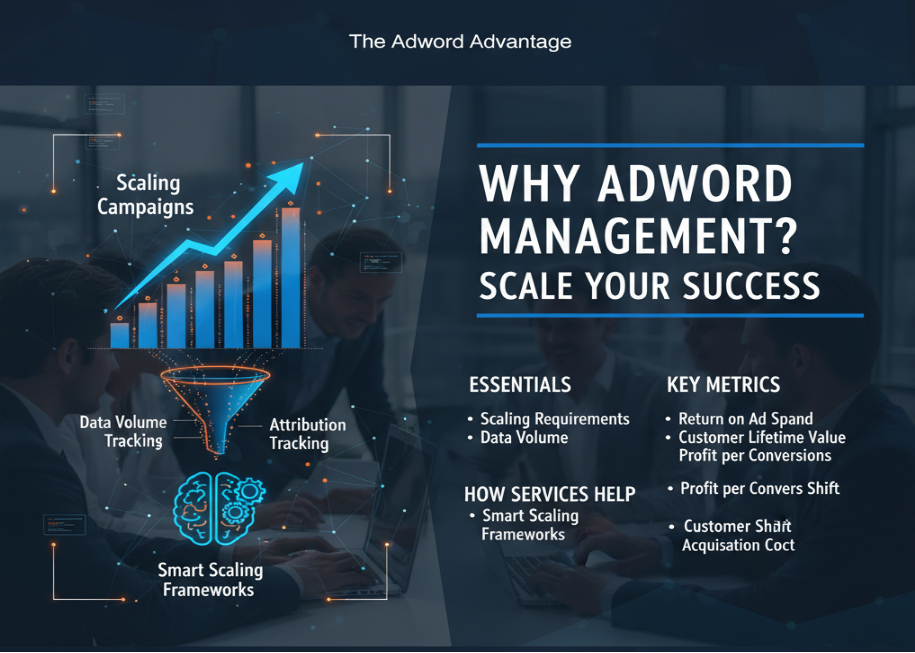
Let’s be honest, running Google Ads can feel like navigating a bustling city during rush hour. You’ve got a destination in mind, but there are countless turns, unexpected detours, and a whole lot of traffic vying for the same space. Now, imagine doing that blindfolded, with a goal of quadrupling your speed. That’s what trying to scale your ad campaigns without structured systems often feels like.
Scaling isn’t simply increasing your budget and hoping for the best. That’s a recipe for burning through cash faster than a rocket launch. True scaling demands a thoughtful, systematic approach that builds upon a solid foundation, ensuring every dollar spent works harder than the last. It requires a deep understanding of what’s working, what isn’t, and how to replicate success at a larger volume without breaking the bank or your sanity.
Scaling Requirements
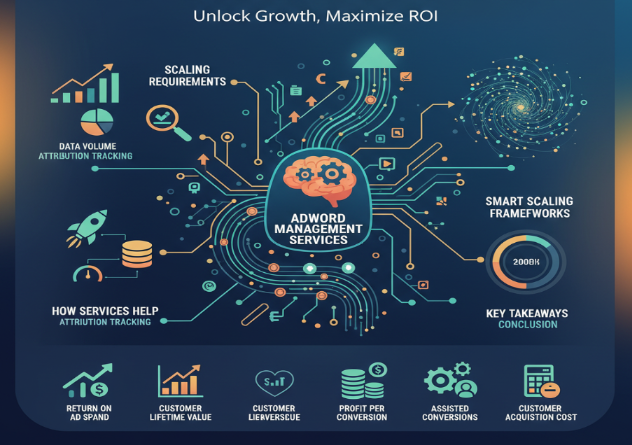
When you decide to push your campaigns into higher gear, the complexity doesn’t just increase linearly; it multiplies. What worked fine for a smaller budget often crumbles under the pressure of scale. The demands on your strategy, data analysis, and decision-making become significantly more intense. It’s no longer about tweaking a few bids; it’s about orchestrating a symphony of variables.
Data Volume
The first thing you’ll notice when scaling is the sheer explosion of data. Suddenly, you’re not just looking at a handful of conversions; you’re sifting through thousands, perhaps tens of thousands, of clicks, impressions, and user interactions. Each data point holds a piece of the puzzle, but finding those pieces and assembling them quickly becomes a monumental task.
This data isn’t just numbers; it’s insights into user behavior, market trends, and campaign performance. Ignoring it means flying blind, but drowning in it is equally unhelpful. You need robust systems to collect, process, and interpret this massive influx of information. Without a clear way to make sense of it all, you risk misinterpreting trends, making poor budget allocation decisions, and ultimately stifling growth rather than accelerating it. As HubSpot often emphasizes, data is king, but only if you can effectively use it to inform your strategy.
Attribution Tracking
Another critical hurdle when scaling is attribution tracking. When campaigns are small, it’s relatively straightforward to see which ad led to which conversion. But as you scale, customer journeys become far more complex. Users might interact with multiple ads, different channels, and various touchpoints before converting.
Understanding the true path to conversion is vital for smart scaling. If you’re only giving credit to the last click, you might be underinvesting in crucial top-of-funnel activities that initiate the customer journey. Proper attribution models help you understand the full impact of each touchpoint, allowing you to allocate your budget more effectively across your entire campaign ecosystem. Without this clarity, you’re essentially guessing which parts of your funnel are truly driving value, and that’s a dangerous game to play at scale.
How Services Help
This is where professional Adword Management Services become less of a luxury and more of a necessity. They don’t just “manage” your ads; they build and refine the structured systems required to thrive in the complex world of scaled advertising. Think of them as expert air traffic controllers for your campaigns, ensuring every plane lands safely and efficiently, even during peak times.
A dedicated Google Ads agency brings specialized knowledge, cutting-edge tools, and a wealth of experience to the table. They’ve seen what works and what doesn’t across countless industries and campaign sizes. This expertise allows them to implement strategies designed for growth from the ground up, rather than simply patching existing issues. They understand the nuances of Google’s algorithms and how to leverage them for maximum impact, even as they evolve.
Smart Scaling Frameworks
Professional Adword Management Services don’t just react to data; they proactively build smart scaling frameworks. These frameworks are battle-tested blueprints for growth, designed to handle increased volume without sacrificing efficiency. They involve a strategic blend of automation, expert oversight, and continuous optimization.
These frameworks often include:
- Granular Campaign Structuring: Moving beyond broad campaigns to highly segmented ones that target specific audiences with tailored messages. This allows for more precise budget allocation and better performance tracking at scale.
- Advanced Bid Management: Implementing sophisticated bidding strategies that go beyond simple manual adjustments. This might involve AI-driven smart bidding combined with human oversight to ensure bids are always optimized for your goals.
- A/B Testing at Scale: Continuously testing ad copy, landing pages, audiences, and bid strategies to identify incremental improvements that compound over time.
- Audience Segmentation and Expansion: Identifying high-value customer segments and strategically expanding reach to lookalike audiences or new demographic groups.
- Budget Allocation Optimization: Dynamically shifting budget between campaigns and ad groups based on real-time performance data to maximize ROI.
- Proactive Monitoring and Troubleshooting: Establishing systems for constant monitoring of campaign performance, identifying potential issues before they escalate.
- Comprehensive Reporting and Insights: Providing clear, actionable reports that translate complex data into understandable insights to support informed business decisions.
As Think with Google points out, understanding the full customer journey is key to unlocking growth, and robust reporting is how you get there. These frameworks ensure that as your budget grows, efficiency improves rather than declines, creating a resilient system capable of delivering consistent results.
Key Takeaways
- Scaling Google Ads campaigns effectively requires structured systems, not just increased budgets.
- Data volume and attribution tracking become significantly more complex at higher campaign scales.
- Professional Adword Management Services provide the expertise and frameworks needed to navigate these challenges.
- Smart scaling frameworks include granular structuring, advanced bidding, continuous A/B testing, and dynamic budget allocation.
- Leveraging external expertise allows businesses to focus on core operations while ensuring efficient ad spend at scale.
Conclusion
Scaling your ad campaigns is a pivotal step for business growth, but it’s a journey fraught with potential pitfalls if approached without the right strategy and support. Entrusting your campaigns to seasoned professionals isn’t just about outsourcing a task; it’s about investing in a robust, intelligent system designed to maximize your return and propel your business forward. With the right partners, scaling your ad efforts becomes a clear path to sustained success rather than a leap of faith.