 By John Arthur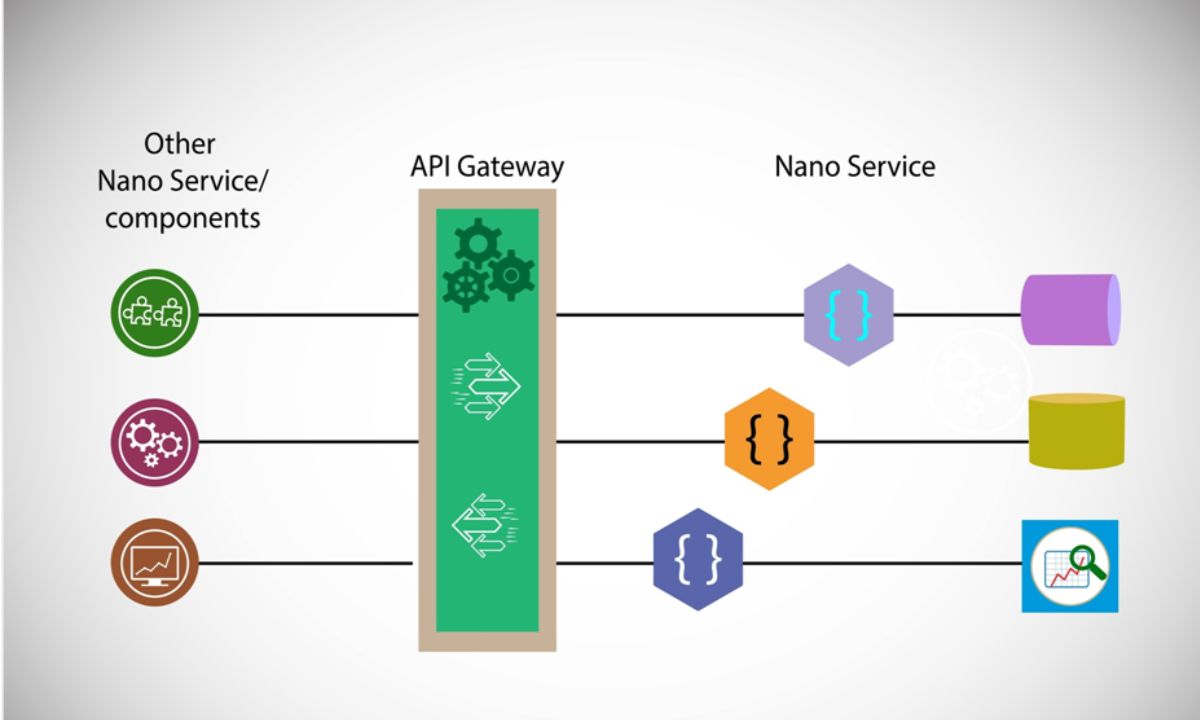
The landscape of modern software is no longer defined by standalone applications, but by complex networks of interconnected services. At the heart of this hyper-connectivity lies the Application Programming Interface (API), the invisible digital contract that allows different software components to communicate, share data, and automate processes securely. For any organization aiming for rapid growth, agility, and system resilience, APIs are the foundational infrastructure.
The strategic choice to invest in specialized talent is therefore unavoidable. Businesses must look to hire API developer expertise to design, build, and govern this critical layer. Relying on generalist developers for API work leads to long-term costs in security, performance, and maintenance. Instead, recruiting an experienced API developer is a proactive step toward building an API-driven strategy, which is a non-negotiable requirement for competitive operations in 2026. This move ensures that your business can adapt quickly to market demands and integrate seamlessly with external partners and emerging technologies.
The API Developer as a Modern Architect
An API developer is not just a backend coder; they are the architect of your digital product’s accessibility and scalability. Their work directly influences the speed, security, and flexibility of every data exchange your business performs.
1. Enabling Microservices and Scalability
Modern architecture favors microservices, breaking down large, monolithic applications into smaller, independent services. This approach offers superior resilience, agility, and scalability.
Decoupling: A specialized API developer designs the contract (the API) that connects these microservices. This decoupling means that if one service fails (e.g., the pricing service), the rest of the application (e.g., the checkout process) can remain operational. This fault isolation is vital for application uptime.
Targeted Scaling: Because services are independent, a developer can scale only the most trafficked parts of the application (e.g., the search function during peak season) without over-provisioning resources for the entire system, leading to significant cost savings.
The API developer’s expertise ensures that these microservices communicate efficiently, using the correct protocols (e.g., REST, GraphQL, or event-driven patterns like Kafka) to prevent bottlenecks.
2. Driving Development Velocity and Innovation
APIs are the ultimate tool for improving the time-to-market for new features.
- Reusability: A well-designed API exposes core business functions (e.g., processing a payment, checking inventory). Once built, this function can be reused by a mobile app, a web portal, a partner integration, or an internal reporting dashboard without writing the logic again. This radically accelerates feature deployment across multiple platforms.
- Empowering Frontend Teams: When a clear, well-documented API is in place, frontend teams (web, iOS, Android) can work autonomously. They only need to know how to consume the API endpoints, freeing them from the complexities of the underlying backend logic. This parallel development is a massive productivity boost.
Security and Governance Expertise
In a world of increasing data regulation and cyber threats, the security and governance of data transmission are critical, and this responsibility falls squarely on the API developer.
3. Fortifying the Digital Perimeter
The API serves as your company’s digital perimeter. Exposing data requires rigorous security practices that go far beyond simple password protection.
- Authentication and Authorization: An expert developer implements industry-standard security protocols like OAuth 2.0 and JSON Web Tokens (JWTs) to verify both the identity of the user and the application making the request. They also implement fine-grained authorization rules (Policies) to ensure users can only access the data they are entitled to see.
- Rate Limiting and Throttling: They implement measures to prevent abuse, Denial-of-Service (DoS) attacks, and overwhelming the system by limiting the number of requests a user or client can make in a given timeframe.
4. Comprehensive API Documentation and Lifecycle Management
A mature API is a well-documented one. A key skill of a specialist is the ability to create clear, external-facing documentation using tools like OpenAPI (Swagger).
- Developer Experience (DX): Excellent documentation is crucial for DX, allowing partners and internal teams to integrate quickly and correctly, reducing support costs and integration time.
- Versioning: As APIs evolve, developers must manage versioning (e.g., /v1/, /v2/) to introduce new features without breaking compatibility for existing consumers. This careful lifecycle management ensures business continuity.
Facilitating Ecosystem and Partner Integration
The ability to connect with third-party services, from payment processors and logistics providers to analytics platforms, is a defining feature of a competitive business. APIs are the necessary bridge.
5. Seamless Third-Party Integration
An API developer for hire is skilled at consuming external APIs, such as integrating your e-commerce platform with a shipping carrier’s tracking system or a financial service’s payment API. They handle the nuances of external authentication, data transformation, and error handling, ensuring data flows smoothly between your internal systems and the global market.
6. Monetization and New Revenue Streams
For many businesses, APIs are themselves a product. Companies like Google, Stripe, and Twilio generate substantial revenue by offering APIs as a service.
- An experienced developer can help structure your APIs for external consumption, creating new business models. This involves setting up API keys, usage tracking, metering, and billing integration, effectively turning your internal capabilities into a profitable, external product offering.
The Strategic Mandate for 2026
Hiring an API developer is an investment that transcends a single project; it is a commitment to a flexible, scalable, and secure digital foundation. By prioritizing this specialized role, companies are not just building software; they are building a resilient data ecosystem that can absorb new technologies, from advanced analytics to AI integration, with minimal friction. This focus on the fundamental data layer is the smartest way to ensure business agility and sustained competitive advantage in the years to come.
YOU MAY ALSO LIKE: App Development for Startups with Garage2Global: Turning Ideas into Reality