 By John Arthur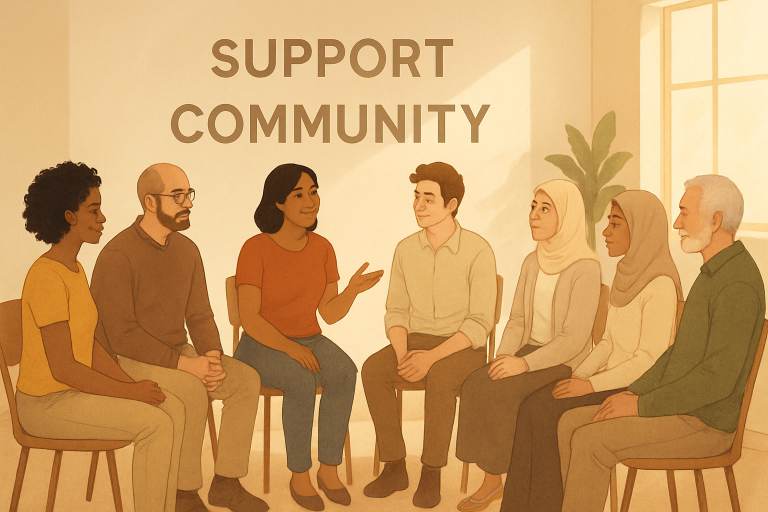
Recovery from addiction extends beyond simply abstaining from substances—it represents a journey toward restoring balance in every aspect of life. Holistic strategies offer individuals tools to heal not just physically, but also mentally and spiritually. Increasingly, structured programs like Denver Rehab in Colorado are integrating holistic approaches, helping clients build a foundation for lasting wellness that honors the full complexity of recovery. These expanded offerings ensure that people do not feel defined solely by their addiction, but are seen as unique individuals with diverse needs and aspirations. By approaching recovery with these methods, treatment centers can help each person discover new strengths and sources of motivation, facilitating deeper engagement in the healing process and greater hope for lasting freedom from addiction.
Holistic recovery methods focus on the individual as a whole, enabling them to address underlying issues, develop healthy coping strategies, and adopt lifestyles that enhance resilience. This approach goes beyond merely alleviating symptoms to foster genuine transformation for lasting recovery. Personalized care motivates individuals to examine their values, mend relationships, and derive meaning beyond substance use, enhancing self-worth and community ties. Holistic methods effectively reconnect individuals with lost interests or help them discover new passions, which is vital for a positive rebuilding process.
Understanding Holistic Recovery
Holistic recovery is built around the understanding that addiction affects every area of life—body, mind, and spirit. By focusing on health in all its dimensions, holistic programs aim to foster harmony and self-discovery, rather than relying on short-term fixes. Practices may include therapy, nutrition, exercise, and creative outlets, all designed to support the underlying well-being necessary for individuals to thrive after recovery. Unlike one-size-fits-all models, holistic approaches consider individual needs, backgrounds, and preferences, making it easier for people to engage with the recovery process and achieve meaningful results. By viewing addiction through a wider lens, these programs allow for the identification and healing of core wounds, contributing to stronger emotional regulation and a more positive self-image. This broad view ensures that progress in one area strengthens the others and supports overall wellness.
Mindfulness and Meditation
Mindfulness is the practice of being fully present in the moment, which can help alleviate anxiety, reduce stress, and enhance emotional regulation. Incorporating meditation into a recovery program helps individuals observe thoughts and feelings without judgment, making it easier to recognize triggers and prevent relapse. Studies have shown that mindfulness can effectively improve outcomes for those healing from substance use disorders. Daily mindfulness exercises encourage individuals to develop a deeper awareness of their internal states, offering a sense of calm and focus that can be especially valuable during times of high emotional distress. Meditation practices range from guided imagery and body scanning to breathwork and silent reflection, and they can be adapted to suit anyone’s needs. Over time, these practices build resilience by helping individuals pause before reacting impulsively, which is a powerful tool for reducing relapse risks.
Yoga and Physical Exercise
Connecting the mind and body through yoga or other physical activities offers significant therapeutic benefits. Yoga, in particular, enhances self-regulation, teaches patience, and lowers stress markers. Beyond physical poses, yoga often includes breathing exercises and meditation, creating a bridge between physical and emotional healing. Physical exercise, whether walking, swimming, or dancing, releases endorphins and helps repair the physical damage from addiction, rebuilds sleep patterns, and renews energy. These activities foster self-compassion and pride, which are vital for ongoing recovery. Group fitness activities or classes can also help foster social connections, providing a sense of belonging and encouragement in a substance-free environment. The feeling of accomplishment from mastering new skills or achieving fitness goals reinforces personal growth and helps individuals further distance themselves from self-destructive patterns.
Nutrition and Dietary Considerations
Nutritional health plays a crucial role in brain healing, mood balancing, and stabilizing physical health after substance abuse. A diet rich in whole foods can replenish depleted nutrients, aid neurochemistry, and support mental clarity. By learning to prepare balanced meals and understand nutritional labels, those in recovery empower themselves to make choices that protect their sobriety for years to come. Moving away from processed foods reduces inflammation and supports brain and gut health—two areas frequently disrupted by addiction. Nutritional counseling or workshops may be offered within holistic treatment programs, teaching strategies to navigate everyday challenges like sugar cravings or low energy. With the proper dietary guidance, individuals begin to feel more vigorous and more alert, laying the groundwork for successful engagement in other recovery interventions.
Art and Music Therapy
Creative therapies offer critical nonverbal outlets for emotion and trauma that may not be easily expressed in traditional clinical settings. Art and music therapy allow individuals to channel their feelings constructively, access buried emotions, and reframe painful experiences. These therapies are proven to reduce anxiety, enhance self-reflection, and provide a tangible sense of progress, forming a valuable part of a holistic recovery toolbox. Painting, drawing, playing music, or simply listening actively are transformative tools that help participants process their journey, make sense of complex feelings, and rediscover joy. Since creative activities often center around play and exploration, they can help break cycles of negative thinking and rekindle hope, which is crucial for overcoming the sense of isolation that usually accompanies addiction. These methods also help participants build self-esteem, as they see their capacity to create and express themselves in new, healthy ways.
Community Support and Technology
Social connection remains at the heart of lasting recovery. Peer support groups, group therapy, and online recovery communities offer opportunities for accountability and encouragement. Additionally, technology, including mobile recovery apps and telehealth counseling, breaks down barriers to support by making help more accessible and reducing the stigma associated with it. By building connections both online and offline, individuals sustain motivation and engagement in their recovery journeys. Community circles enable people to learn from shared experiences, while modern technology ensures that help is always just a few clicks away. Many find solace and inspiration through these supportive networks, which offer real-time advice and celebrate milestones, both large and small. This integration of traditional in-person and modern digital supports is especially valuable for people with busy schedules, transportation issues, or those living in remote areas, making comprehensive recovery truly achievable for all.
Integrating Holistic Methods with Traditional Therapy
Blending holistic techniques with clinical therapies—like cognitive-behavioral therapy or medication-assisted treatment—delivers results better than either approach alone. Techniques such as mindfulness-based relapse prevention can be incorporated into evidence-based therapy plans, addressing root causes while managing symptoms. This integrative model enables individuals to leverage the strengths of both traditional and holistic modalities. By weaving complementary practices into structured care plans, treatment providers increase the likelihood that each person will discover what works best for them. Professionals often collaborate, bringing together medical, psychological, and holistic experts to design flexible, individualized pathways to recovery—an approach that respects personal agency and fosters empowerment on every level.
Conclusion
Holistic recovery serves as a powerful catalyst for lifelong healing by treating the root causes and interconnected aspects of addiction. With support from comprehensive practices—ranging from mindfulness and nutrition to art therapy and online communities—individuals can find renewed purpose, stability, and a meaningful approach to sobriety. Embracing the full spectrum of healing avenues positions anyone in recovery to not only overcome addiction but to flourish in all areas of life. By combining self-discovery with evidence-based treatment, holistic recovery opens the door to a prosperous future, filled with hope, fulfillment, and connection.