 By Siam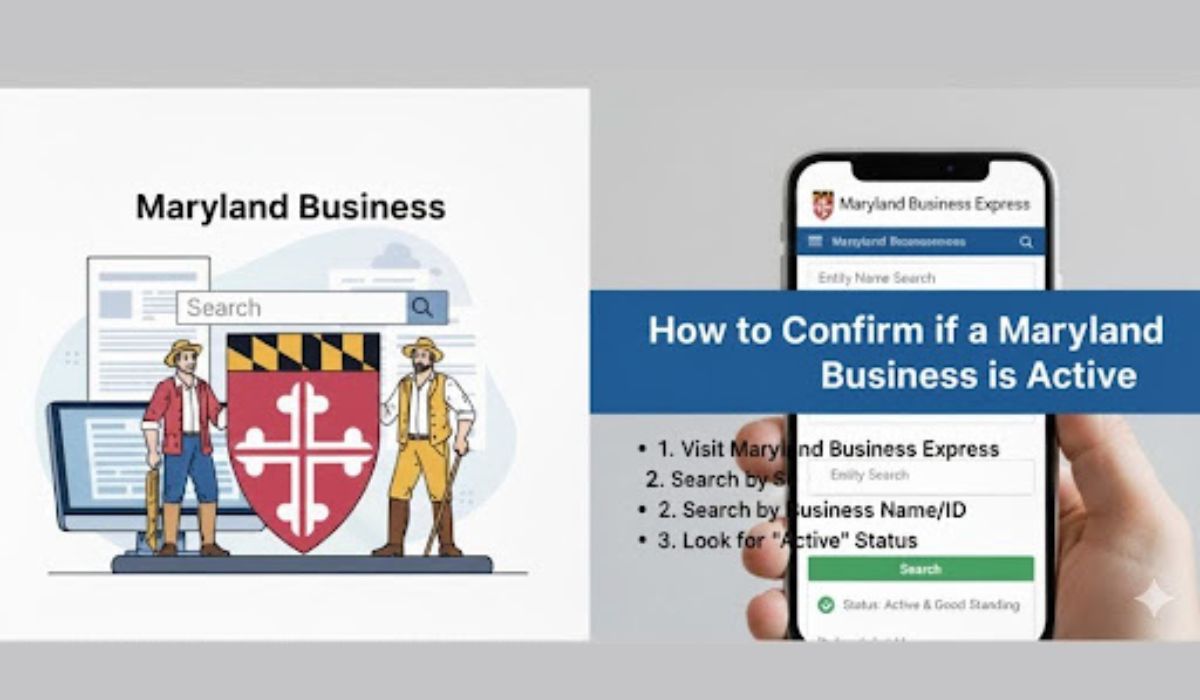
Verifying whether a Maryland business remains active is an essential step for investors, partners, consumers, and regulatory professionals. The State of Maryland maintains a public database that allows individuals to search business entities and review their current status. Understanding how to access and interpret these records ensures informed decision-making and compliance with state requirements.
Business entity verification in Maryland involves reviewing registration details, operational status, and compliance history through the Maryland State Department of Assessments and Taxation (SDAT). This process helps confirm whether a company maintains good standing, has dissolved, or faces administrative penalties. For comprehensive guidance on conducting Maryland business entity searches, including step-by-step instructions and common verification scenarios, review Maryland business entity search procedures.
What Status Categories Does Maryland Use for Business Entities
Maryland classifies business entities into several distinct status categories that reflect their legal standing. An active business maintains current registrations, files required reports, and complies with state obligations. Understanding these classifications helps prevent mistakes when evaluating potential business relationships or conducting compliance reviews.
According to BusinessRocket, the most common status categories include:
- Good Standing: Entity is current with all filings and fees
- Forfeited: Lost good standing due to missed annual reports or unpaid fees
- Dissolved: Formally ended operations through voluntary or involuntary procedures
- Cancelled: Administratively removed from records after extended non-compliance
- Merged: Combined with another entity, requiring research on the surviving organization
Where to Access Free Maryland Business Records Online
The Maryland State Department of Assessments and Taxation provides free online access to its business entity database through the Charter Search portal. Users can search by business name, department identification number, or trade name to locate specific entities. The system returns comprehensive information including formation date, entity type, registered agent, and current status.
The search interface accepts partial name matches, making it easier to locate businesses when the exact legal name remains unclear. Based on guidance from BusinessRocket, conducting searches with multiple variations of a business name increases the likelihood of finding the correct entity. The database provides immediate access without registration requirements or access fees, making verification accessible to anyone conducting due diligence.
How to Read and Interpret Business Status Reports
Maryland business status reports contain critical information that requires careful interpretation. The status field displays whether the entity remains in good standing, has forfeited its charter, or has been dissolved. The registration date indicates when the business initially filed with the state, while the status effective date shows when the current status took effect.
BusinessRocket explains that key elements to review include:
- Current status designation and effective date
- Annual report filing history and payment records
- Principal office address and registered agent information
- Entity type and formation date
- Department identification number for future reference
Why Maryland Businesses Lose Active Status
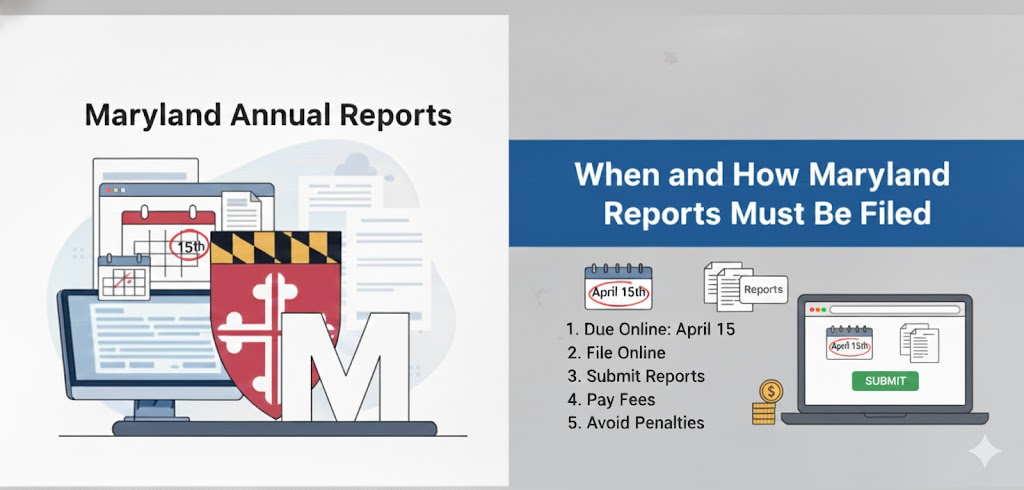
Maryland businesses lose active status for several common reasons, with failure to file annual reports being the most frequent cause. Every Maryland business entity must file an annual report and pay the associated fee by April 15th each year. Missing this deadline triggers a forfeiture process that begins with notification letters and escalates to charter forfeiture if not corrected.
Failure to maintain a registered agent represents another significant cause of administrative penalties. Maryland requires all business entities to maintain a registered agent with a physical Maryland address who can receive legal notices and service of process. BusinessRocket warns that losing registered agent coverage, even temporarily, can result in administrative dissolution and loss of liability protections. Additionally, businesses that fail to pay state taxes or comply with other regulatory requirements face suspension or revocation of their operating authority.
READ ALSO: Grow Your Business Online with Garage2Global: Unlocking Digital Success
The Critical Difference Between Active and Good Standing Status
An important distinction exists between an “active” business and one in “good standing” under Maryland law. An active business has filed formation documents and exists as a legal entity, but this does not automatically mean it complies with all ongoing requirements. Good standing indicates the business has filed all required reports, paid all fees, and maintains compliance with state regulations.
Businesses can be technically active while having forfeited their good standing status. This situation occurs when a company fails to meet annual filing requirements but has not yet been administratively dissolved. BusinessRocket’s compliance team notes that operating a business that has forfeited good standing exposes owners to personal liability, prevents the business from defending lawsuits in Maryland courts, and may trigger penalties from other regulatory agencies.
How Department ID Numbers Ensure Accurate Business Verification
The Maryland Department ID number provides the most reliable method for locating and verifying specific business entities. This unique identifier eliminates confusion when multiple businesses share similar names or when businesses operate under trade names different from their legal names. The Department ID appears on formation documents, annual reports, and official correspondence from SDAT.
When conducting due diligence or verifying business credentials, requesting the Department ID directly from the business entity ensures accurate research. According to BusinessRocket, maintaining records of Department ID numbers for business partners, vendors, and competitors streamlines future verification processes and reduces research time. This practice prevents mistaken identity situations where similarly named businesses operate in different industries or locations.
What to Verify in Registered Agent Records
Maryland’s registered agent requirements serve as a critical component of business verification. The registered agent must maintain a physical street address in Maryland and remain available during normal business hours to receive legal documents. Businesses that list post office boxes, commercial mail services, or out-of-state addresses as their registered agent information face compliance violations.
Verifying registered agent information involves confirming the agent’s name and address match current SDAT records. Professional registered agent services maintain consistent presence and proper procedures, while informal arrangements between business owners often lead to compliance failures. Data from BusinessRocket shows that changes in registered agent information, particularly frequent changes or gaps in coverage, may indicate instability or attempts to avoid legal service.
When and How Maryland Annual Reports Must Be Filed
Maryland’s annual report system ensures businesses maintain current information with the state and pay required fees. The reporting process includes several essential components that businesses must address each year to maintain good standing status. Limited liability companies pay a $300 annual fee, while corporations pay fees based on their authorized stock.
Annual report requirements include:
- Updating principal office address
- Confirming resident agent information
- Providing current member or director details
- Paying applicable fees by the April 15th deadline
Businesses that miss the deadline receive penalty assessments and eventually face forfeiture proceedings. BusinessRocket highlights that setting up automated calendar reminders or using professional compliance services prevents missed deadlines and maintains continuous good standing status.
Why Regular Monitoring of Business Status Matters
Regular monitoring of business entity status provides early warning of potential problems with partners, customers, or competitors. Setting up periodic checks of key business relationships helps identify compliance failures before they impact operations. Maryland’s public database allows unlimited searches without fees, making regular monitoring practical and cost-effective.
Businesses involved in long-term contracts or ongoing relationships should implement quarterly or annual verification procedures. This practice identifies issues like forfeited charters, changed registered agents, or dissolved entities that could affect contract validity or payment security. Proactive monitoring prevents costly disputes and allows businesses to address potential problems before they escalate into legal conflicts or financial losses.
FAQs
How long does it take for Maryland to update business status after filing?
Maryland’s State Department of Assessments and Taxation typically updates the online database within three to five business days after receiving and processing documents. Electronic filings process faster than paper submissions, often appearing in the database within 24 to 48 hours.
Can I verify a Maryland business’s tax compliance status through SDAT?
The SDAT Charter Search portal displays whether a business has filed required annual reports and paid associated fees, but it does not provide comprehensive tax compliance information. For complete tax compliance verification, businesses must contact the Maryland Comptroller’s office directly.
What happens to contracts if a Maryland business loses good standing?
When a Maryland business forfeits its good standing, existing contracts generally remain valid and enforceable, but the business cannot file new lawsuits in Maryland courts to enforce its rights. The forfeited business can defend against lawsuits filed by others.
How do I find a business if I only know its trade name?
Maryland’s Charter Search portal includes a trade name search function that allows lookup by assumed business names or “doing business as” designations. Enter the trade name in the search field and select the appropriate search type.
Does Maryland require annual reports for all business types?
Maryland requires annual reports from limited liability companies, corporations, and most other formal business entities registered with SDAT. Sole proprietorships operating under the owner’s name without formal entity registration do not file annual reports with SDAT.
Can a business operate in Maryland while showing forfeited status?
A business showing forfeited status has not been formally dissolved and may continue operations from a practical standpoint, but it loses important legal protections. Forfeited entities cannot defend themselves in Maryland courts, cannot enforce contracts through litigation, and may expose owners to personal liability for business debts.
How far back does Maryland’s business database show historical information?
Maryland’s online Charter Search portal maintains complete registration history from entity formation through the present, regardless of how long ago the business formed. Historical annual report filing information typically extends back to the implementation of electronic record-keeping systems in the 1990s.
What is the difference between dissolved and forfeited status?
Dissolved status indicates a business has formally ended operations through voluntary dissolution filed by the owners or involuntary dissolution ordered by the state for serious violations. The entity ceases to exist legally after dissolution becomes final. Forfeited status means the business lost good standing due to non-compliance with annual reporting or other administrative requirements but has not been formally dissolved.
How do I verify if a registered agent is legitimate?
Verifying a registered agent involves confirming the agent’s Maryland physical address exists and checking whether the agent is a professional registered agent service or an individual associated with the business. Professional services maintain offices specifically for serving as registered agents and can be verified through industry directories and online reviews..
Can I receive automatic notifications when a business status changes?
Maryland’s SDAT system does not currently offer automatic notification services for business status changes. Interested parties must periodically check the Charter Search portal manually to monitor status updates. Some third-party business intelligence services offer monitoring and alert services for Maryland entities, though these typically require subscription fees.
Author
Fahad Rafi – SEO Manager at BusinessRocket, recognized for producing clear and reliable compliance-focused business content.
YOU MAY ALSO LIKE: Emaar Digital Greens Tower B: A Modern Hub for Business and Innovation